
- By LvYin Grass Team
- May 24, 2026
- Commercial Projects
Artificial Grass vs Natural Grass: Which Is Better for Commercial Projects?
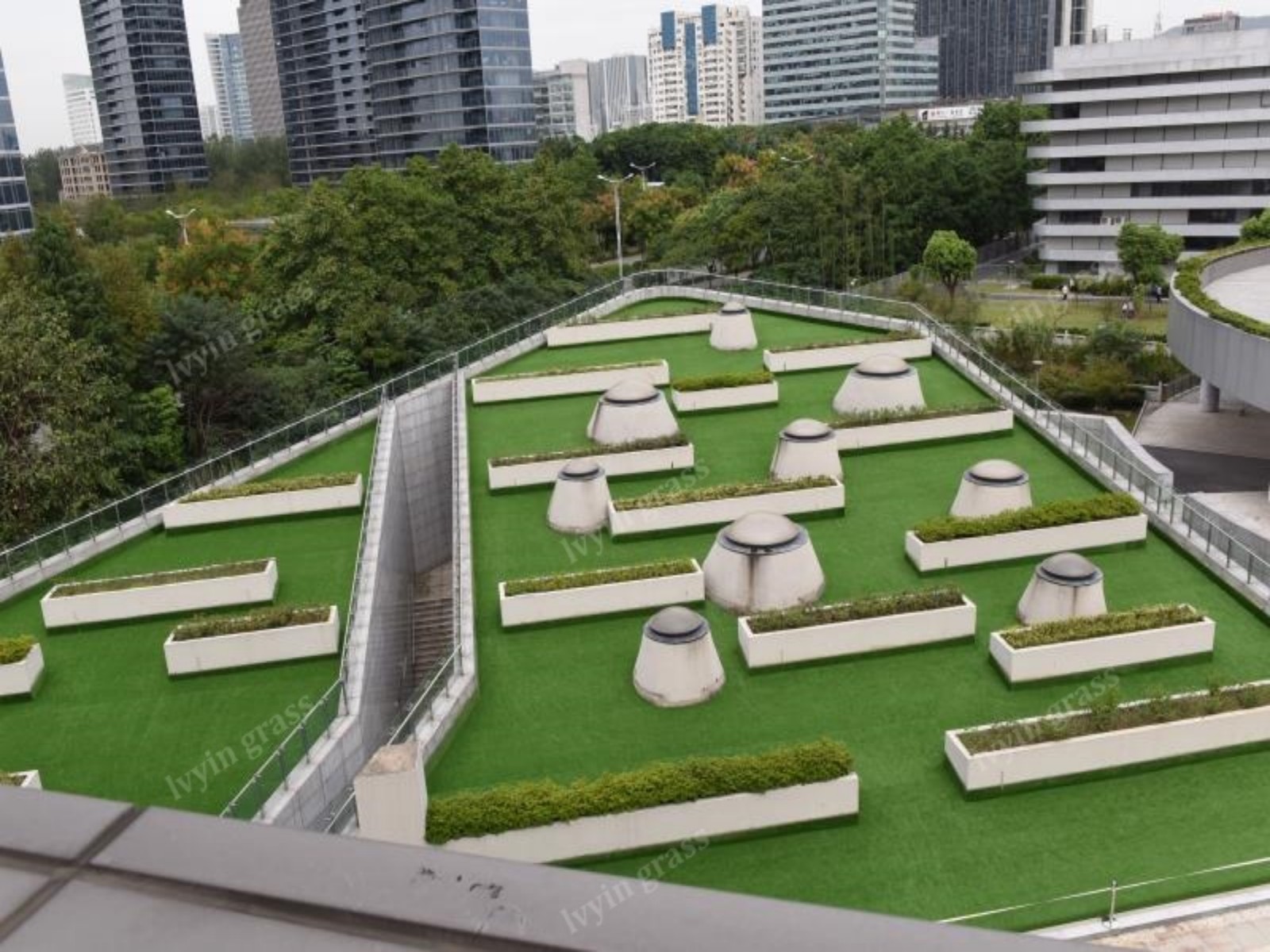
For commercial projects, landscaping is not only about appearance. It also affects maintenance cost, daily operation, safety, and long-term presentation.
Both artificial grass and natural grass have their advantages. The better choice depends on project location, traffic level, maintenance ability, and budget.
Appearance
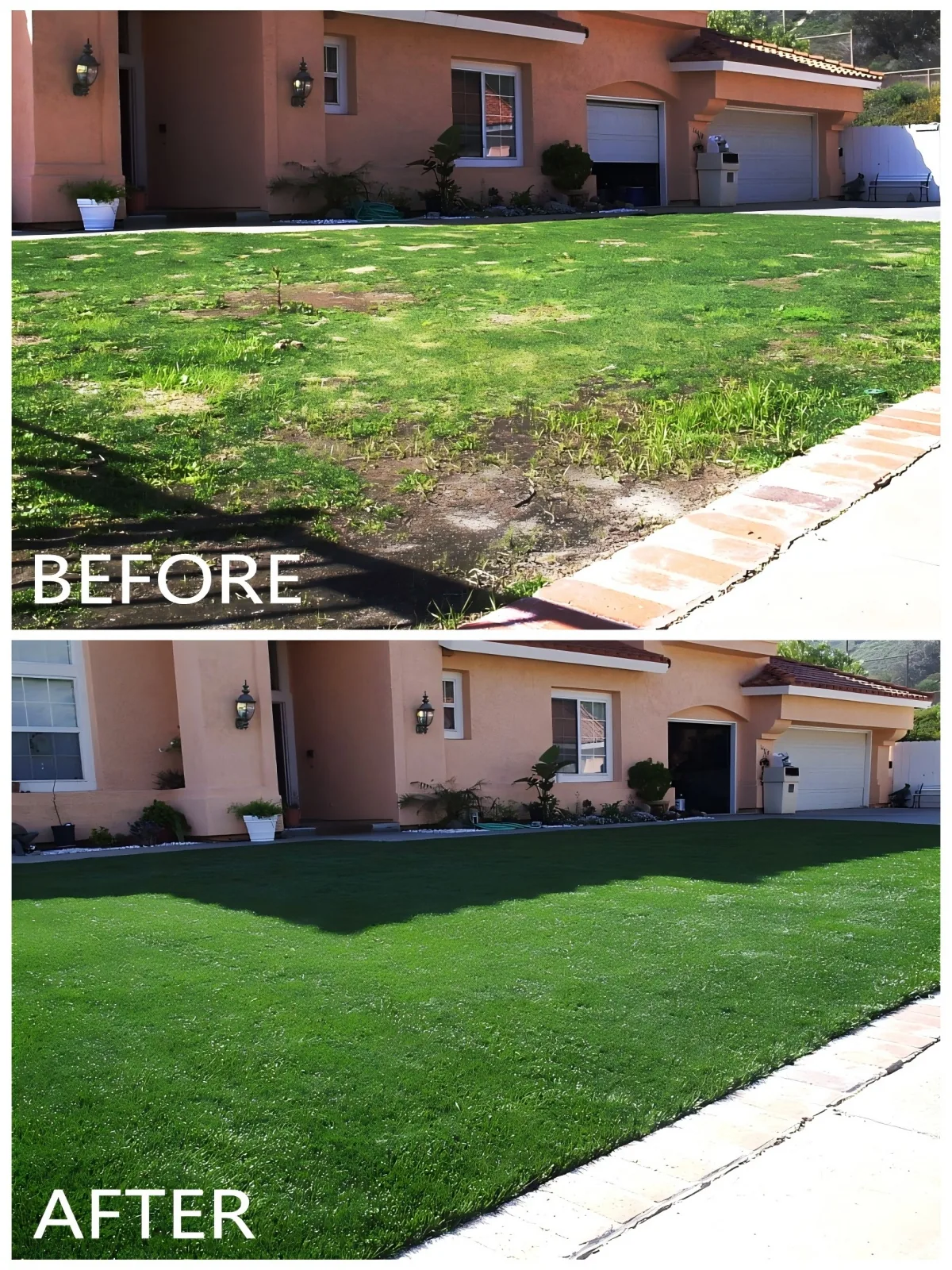
Natural grass has a fresh and organic look, especially when well maintained. However, it can become uneven, yellow, muddy, or damaged in high-use areas. Artificial grass provides a more consistent appearance throughout the year.
Maintenance
Natural grass needs watering, mowing, fertilizing, pest control, and regular repair. Artificial grass needs less daily maintenance. Cleaning, brushing, and occasional inspection are usually enough for most landscape applications.
Durability Under Foot Traffic
Commercial areas often receive more foot traffic than private gardens. Natural grass can wear out quickly in busy zones. Artificial grass, if properly selected, can handle repeated use better. For high-traffic areas, buyers should choose stronger yarn, suitable density, and stable backing.
Water Usage
In many regions, water cost and water restrictions are important. Natural grass needs regular irrigation, especially in hot or dry climates. Artificial turf can help reduce water consumption, making it suitable for rooftops, public areas, and commercial landscapes.
Installation and Surface Conditions
Natural grass needs soil preparation, sunlight, drainage, and growth time. Artificial grass can be installed on different bases, including concrete, compacted ground, rooftops, and indoor areas, if the surface is prepared correctly.
Cost Consideration
Natural grass may have a lower initial cost in some cases. However, maintenance costs continue every month. Artificial grass usually has a higher upfront cost but lower daily maintenance. For commercial projects, the total cost should be calculated over several years.
Conclusion
For commercial projects, artificial grass is popular because it offers stable appearance, lower maintenance, and flexible installation. The key is to choose the right specification for the project, rather than using the same turf for every commercial space.